Menu

Raidx Medical Labs
Premium Medical Services
Raidx Medical Labs
Premium Medical Services
Reliable health and medical articles to help you maintain your health
Discover the latest health and medical articles from our experts

Discover why regular medical checkups are the cornerstone of maintaining your health and preventing diseases before they worsen. A comprehensive guide explaining important types of checkups and their benefits.

A comprehensive guide to help you better understand medical test results. Learn how to read important numbers and indicators in your medical reports.

Discover how balanced nutrition can be your shield against chronic diseases. A comprehensive guide on essential nutrients and their importance to your health.

A comprehensive guide about diabetes, how to prevent it, and the best ways to manage it. Learn about early signs and important tests.

Learn how to maintain your heart health and prevent cardiovascular diseases. Practical tips and important required tests.

Discover the importance of Vitamin D for your health, signs of deficiency, and best sources to get it. A comprehensive guide to the sunshine vitamin.
Learn about the thyroid gland, its functions, and the most important disorders that may affect it. A comprehensive guide to thyroid tests and treatment.

The NIPT test is a simple, safe blood test for mother and baby that detects the likelihood of chromosomal abnormalities such as Down syndrome early in pregnancy, with no risk to the fetus.

The DHT hormone is the primary driver of hereditary baldness and hair loss in both men and women. Testing it helps identify the cause of shedding and build an effective treatment plan.
Vitamin D deficiency is one of the most common health problems and can cause fatigue, bone pain, and weakened immunity. Learn the symptoms of deficiency and when testing becomes essential.

Vitamin B12 is essential for nerve health and blood cell formation. Its deficiency can cause anemia, numbness, and memory problems. Learn about the B12 test, its importance, and how to read results.

The ferritin test measures the body's iron stores and is one of the most accurate tests for early detection of iron deficiency before anemia appears. Learn its importance and how to read results.
Many confuse the iron test with the ferritin test despite their fundamental differences. Learn the difference between them and when each is ordered to understand your body's iron status accurately.

The TSH test is the first and most important screening for assessing thyroid activity, detecting underactivity or overactivity early. Learn the reasons for the test and how to read its results.

A complete comparison between the HbA1c (glycated hemoglobin) test and the fasting blood glucose test, helping you understand when each is ordered and which one better reflects your health status.

A simple guide to understanding the liver function test, its key enzymes and markers, when a doctor orders it, and how to read the results correctly to protect your liver health.
Learn about the kidney function test and its main markers such as creatinine, urea, and the glomerular filtration rate, and why it is key to early detection and protecting kidney health.

Discover when to do a complete cholesterol test, its components of good and bad cholesterol and triglycerides, and how it helps you assess and prevent the risk of heart disease.

Learn about the triglycerides test and its role in assessing heart health, the causes and risks of high levels, and how to lower them with a healthy lifestyle to reduce heart disease risk.
A simple guide to the CRP (C-reactive protein) test, its role in detecting inflammation, the causes of its elevation, and the difference between the standard and high-sensitivity types for heart risk.
Learn about the ESR (erythrocyte sedimentation rate) test, its role as a marker of inflammation, when a doctor orders it, how its results are read, and the difference between it and the CRP test.
The zinc test measures the level of this essential mineral in the blood, vital for immunity, wound healing, and growth. Learn about indications, deficiency symptoms, and normal ranges.
The calcium test measures this vital mineral for bones, nerves, and the heart. Learn about test types, indications, normal ranges, and causes of high and low levels.

Folic acid is an essential vitamin for cell formation and protecting the fetus from birth defects. Learn about its test, importance in pregnancy, normal ranges, and deficiency symptoms.
Magnesium is an essential mineral involved in hundreds of vital reactions for nerves, muscles, and the heart. Learn about the magnesium test, indications, normal ranges, and deficiency symptoms.

The testosterone test measures the male hormone important for both men and women. Learn about indications, symptoms of imbalance, normal ranges, and how to read them.

The AMH test assesses a woman's egg reserve and helps evaluate fertility and plan for pregnancy. Learn about indications, normal ranges, and how to read results.
The quantitative Beta hCG test measures the pregnancy hormone in blood with high accuracy and confirms pregnancy early. Learn how to read the results and their normal ranges.
The PSA test measures the level of prostate-specific antigen in the blood and is an important tool for monitoring prostate health and early detection of problems in men, especially after age 50.
The uric acid test measures the level of this substance in the blood; elevated levels may lead to gout and kidney stones. Learn about normal values and causes of elevation.
The IgE test measures the level of allergy-related antibodies in the blood and helps diagnose types of allergies and identify their triggers to establish an appropriate treatment plan.
Employee drug testing has become a standard procedure at many companies to ensure a safe and productive work environment. Learn about the types of testing, reasons for it, and how it is performed.
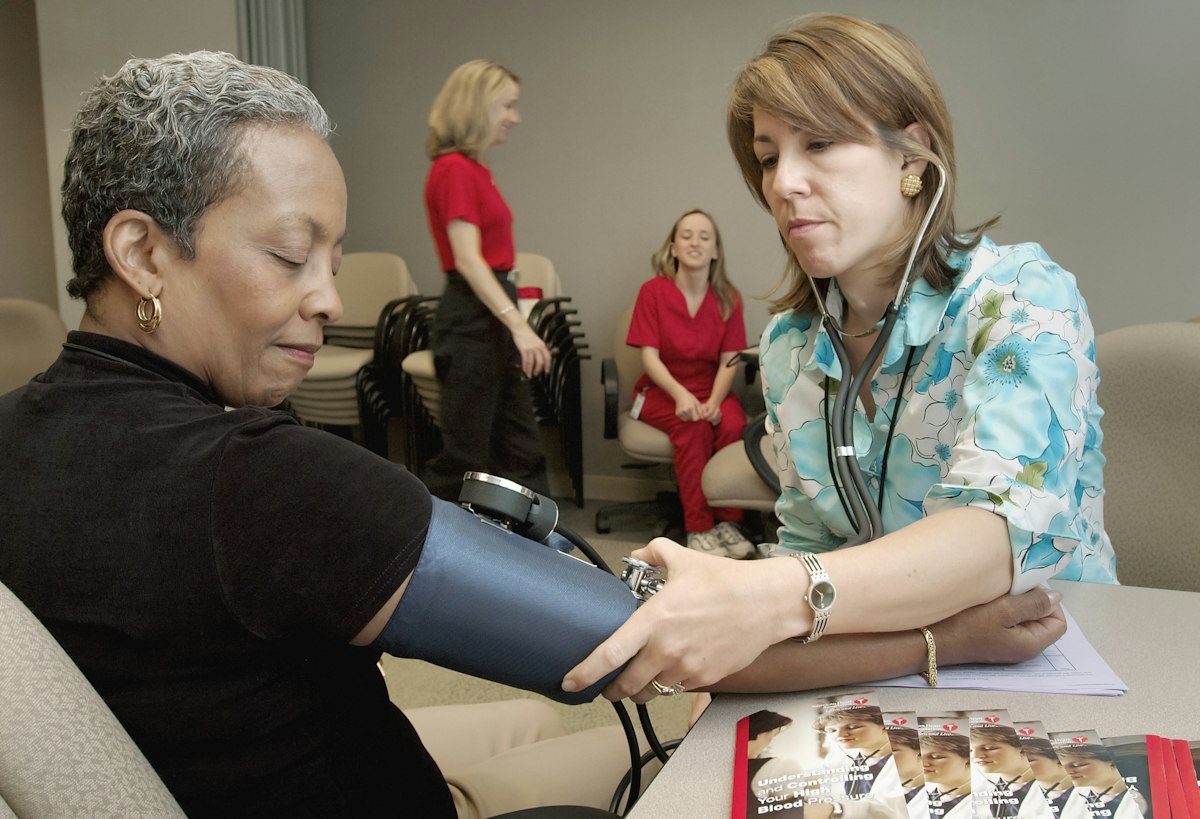
Routine checkups are not just a formality but a smart investment that protects your health and saves the cost of delayed treatment through early detection of health problems.
There is a set of essential annual tests that help monitor your health and detect problems early. Discover the top 10 tests recommended to do once a year.
Proper preparation before a blood test directly affects the accuracy of results. Learn the most important tips regarding fasting, medications, and water before the sample is drawn.
Not every lab test requires fasting, but some need you to avoid food for a set number of hours to ensure accurate results. Learn which tests require fasting and which do not.

When reading a lab report you may see letters like H or L next to values. Learn what these symbols mean and how they help you understand your results without unnecessary worry.
Understanding a lab report does not require a complex medical background. In this guide we explain the components of a report step by step so you can read your results clearly and confidently.
Test results can be affected by simple errors before, during, and after sample collection. Learn about the most important of these errors and how to avoid them for reliable results.
You may notice a difference in your test values between one lab and another even when done close in time. Learn the scientific reasons for this variation and when it is normal.

A lab result alone is not enough for diagnosis; medical consultation is what links the numbers to your health condition. Learn the doctor's role in interpreting your results correctly.
Repeating a test is not always a sign of error but a deliberate medical step in specific situations. Learn the main reasons that call for a repeat test and when it is necessary.
Learn about the most important lab tests recommended before pregnancy, and how they protect your health and your baby's while improving the chances of a safe pregnancy from the start.
A comprehensive guide to the key tests in each trimester of pregnancy and their role in monitoring the health of mother and baby and detecting potential complications early.
Learn about the most important lab tests that help identify the causes of delayed conception in both women and men, and guide the appropriate treatment plan.
Learn the signs that call for a hormone test in women, the types of hormone tests, and the best timing to perform them for accurate results.
A comprehensive guide to the most important lab tests women need after age 40 for prevention and early detection of heart, bone, hormonal, and cancer conditions.
A comprehensive guide to the most important lab tests men need after age 40 for prevention and early detection of heart disease, diabetes, prostate issues, and hormonal imbalance.
Learn about the main causes of low testosterone in men, its common symptoms, and the tests that help diagnose it accurately.
Vitamin D plays a key role in men's hormonal health, and its deficiency may be linked to lower testosterone and reduced fertility. Learn about the connection and why testing matters.
The PSA test is one of the most important prostate health checks for men. Learn when it is recommended, what the results mean, and who needs it most.

Growth delay in children can have many causes. Learn about the most important laboratory tests that help the doctor identify the cause and set the right treatment plan.
Iron deficiency is one of the most common nutritional problems in children. Learn its symptoms and the key tests that detect it early to protect your child's health and growth.
A child's routine checkup needs differ by age stage. Learn about the most recommended tests from birth to adolescence to monitor your child's health.
Many connect vitamin D deficiency with hair loss. Learn about the scientific relationship between them, the symptoms of deficiency, and why testing matters before starting any treatment.
Hair loss in women has varied causes ranging from hormonal to nutritional. Learn about the most prominent ones and the key tests that help identify the cause and set a treatment plan.
Constant fatigue can be a sign of a hidden health issue. Discover the key lab tests that help uncover the causes of chronic tiredness and restore your energy and vitality.
Vitamin B12 deficiency can cause fatigue, tingling, and memory problems. Learn the key symptoms, causes, and the importance of lab testing for early detection and treatment.
Dizziness is a common symptom of iron deficiency and anemia. Learn the connection between them, the accompanying symptoms, and the tests that reveal the real cause of vertigo.

Premarital screening is an essential step to protect the health of the couple and their children. Learn which tests it includes and its importance in detecting genetic and infectious diseases.
Heart health starts with early detection. Learn the key tests that assess your risk of heart disease and help you prevent problems and reassure yourself about your heart and blood vessels.
Early detection of diabetes protects against its serious complications. Learn the key early symptoms and the accurate tests that help with diagnosis and follow-up.
Many pregnant women confuse genetic testing with the NIPT test. Learn the difference between them, what each reveals, and when each test is recommended for fetal health.
This article compares non-invasive prenatal testing (NIPT) with ultrasound, explaining the role of each and why they complement rather than replace one another during pregnancy monitoring.
This article reviews the main causes of elevated liver enzymes such as ALT and AST, accompanying symptoms, necessary tests, and when to see a doctor to evaluate liver health.
This article explains when high cholesterol turns into a real threat to the heart and arteries, covering cholesterol types, reference values, risk factors, and prevention methods.
This article discusses the value of routine vitamin testing, who needs it most, and the key vitamins worth monitoring to protect overall health.
This article reviews the key medical tests that help uncover the underlying causes of hair loss, from iron deficiency to thyroid and hormonal disorders.
This article explains the relationship between the thyroid gland and weight, how an underactive or overactive thyroid leads to weight changes, and the key tests needed to assess its function.

This article reviews the key tests athletes need to monitor their performance and health, from iron stores to vitamins, kidney function, and electrolytes.

Pre-operative medical tests are an essential step to assess a patient's health and ensure safety during anesthesia and surgery, including blood tests, organ function panels, and heart tracing based on the surgery type and patient's age.
Routine medical tests help detect diseases in their early stages before symptoms appear, increasing the chances of successful treatment and reducing complications and long-term healthcare costs.