

Liver Function Test: What Do the Results Reveal About Your Health?
Introduction
The liver performs more than 500 vital functions in the body, from filtering toxins to producing proteins and storing energy. Because liver diseases can progress silently without clear symptoms, the liver function test becomes an essential tool for early detection and for monitoring the health of this vital organ.
What Is the Liver Function Test?
The liver function test is a group of blood tests that measure the levels of enzymes, proteins, and substances produced or processed by the liver. An increase or decrease in these values may indicate inflammation, damage, or impaired liver function.
Key Markers in the Test
- ALT (alanine aminotransferase): a sensitive marker of liver cell damage.
- AST (aspartate aminotransferase): rises in liver and muscle diseases.
- ALP (alkaline phosphatase): related to bile ducts and bones.
- Bilirubin: a yellow pigment that accumulates with liver weakness and causes jaundice.
- Albumin and total protein: reflect the liver's ability to synthesize protein.
When Does a Doctor Order This Test?
Symptoms and Indications
- Yellowing of the skin or eyes (jaundice).
- Pain or swelling in the upper right abdomen.
- Chronic fatigue and loss of appetite.
- Nausea or dark-colored urine.
- Monitoring patients with viral hepatitis or fatty liver.
- Watching the effect of certain medications on the liver.
Approximate Normal Values
Values vary between labs, but common ranges are:
- ALT: about 7 to 56 U/L.
- AST: about 10 to 40 U/L.
- ALP: about 44 to 147 U/L.
- Total bilirubin: about 0.1 to 1.2 mg/dL.
- Albumin: about 3.5 to 5.0 g/dL.
These values must always be interpreted by a qualified physician in light of your full condition.
How to Prepare for the Test
- Some doctors may request fasting for 8 to 12 hours before the draw.
- Avoid alcohol entirely for days before the test.
- Inform your doctor of all medications and herbal supplements.
- Avoid strenuous exercise just before the test.
What Does It Mean When Results Are High?
- Elevated ALT and AST together may indicate hepatitis, fatty liver, or cellular damage.
- Elevated ALP and bilirubin may suggest a blockage in the bile ducts.
- Low albumin may reflect chronic liver disease or malnutrition.
Tips for Maintaining Liver Health
- Maintain a healthy weight to avoid fat accumulation on the liver.
- Eat a diet rich in vegetables and fiber and low in saturated fats.
- Drink adequate amounts of water.
- Avoid overusing painkillers without medical supervision.
Frequently Asked Questions
Do elevated enzymes always mean a serious disease?
Not necessarily; the elevation may be slight and temporary due to a medication or effort, and it needs medical evaluation.
Can the liver be diseased while results are normal?
Yes, in some early stages, so the doctor completes the evaluation with a clinical exam and imaging when needed.
Conclusion
The liver function test is an important window into the health of one of your body's most vital organs, helping detect problems before they worsen. However, results alone are not enough for diagnosis; they must be interpreted by a qualified physician, keeping in mind that values vary between laboratories.
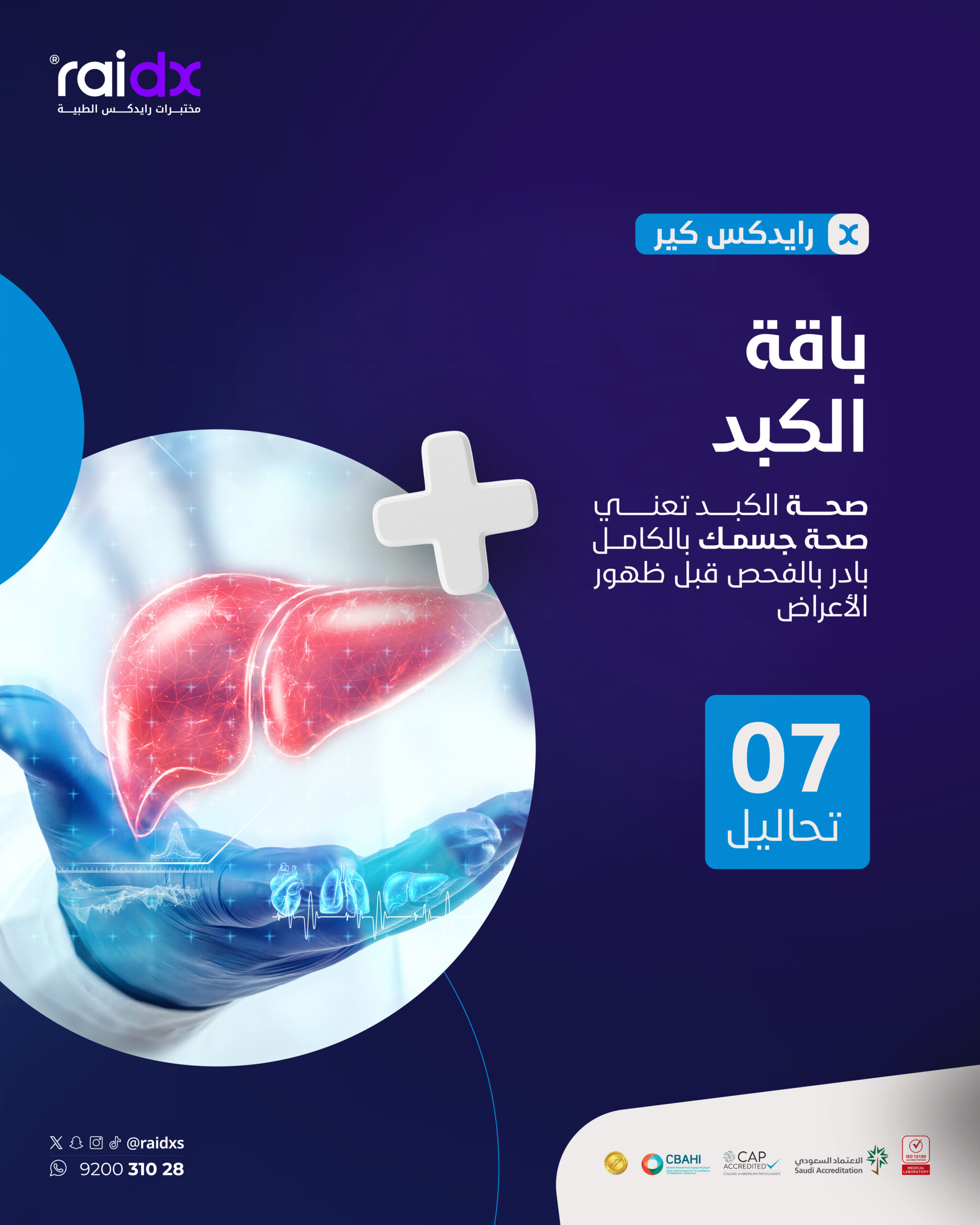
Book your liver function test now at RAIDX Laboratories and check on your liver health with accurate results and trusted service.
Did you like the article?
Share it with your friends to spread the benefit
Packages You May Like
Discover medical packages related to this topic

مقالات ذات صلة

أهمية الفحوصات الدورية للصحة العامة: دليلك الشامل للوقاية
اكتشف لماذا تعتبر الفحوصات الطبية الدورية حجر الأساس في الحفاظ على صحتك ومنع الأمراض قبل تفاقمها. دليل شامل يوضح أنواع الفحوصات المهمة وفوائدها.
اقرأ المزيد
كيف تفهم نتائج التحاليل الطبية: دليل مبسط
دليل شامل لمساعدتك على فهم نتائج التحاليل الطبية بشكل أفضل. تعلم كيفية قراءة الأرقام والمؤشرات المهمة في تقاريرك الطبية.
اقرأ المزيد